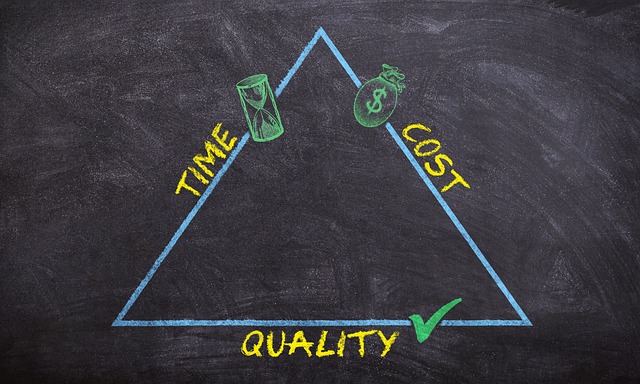
Closing costs, ranging from 2% to 5% of the purchase price, include appraisal fees, title searches, escrow services, taxes, and legal expenses. These costs vary based on property characteristics and market conditions. Planning involves early research, comparing estimates, budgeting, and consulting professionals. Understanding closing costs is crucial for negotiating and managing financial outlay during homeownership.
Homeownership is a significant milestone, but understanding the intricacies of closing costs can be daunting for many prospective buyers. This comprehensive guide aims to demystify one of the most crucial aspects of purchasing a home—closing costs. We’ll provide an in-depth analysis, breaking down various expenses and offering practical insights to help homeowners navigate this process with confidence. By the end, you’ll have a trusted framework to assess and manage your financial commitments at closing, ensuring a smoother transition into homeownership. Let’s delve into the details and empower ourselves with knowledge.
Understanding Closing Costs: A Homeowner's Guide

Closing costs are an integral part of the homeownership journey, often leaving prospective buyers with questions and concerns. This guide aims to demystify these expenses, empowering homeowners to make informed decisions. Understanding closing costs is crucial, as they represent various fees associated with purchasing a property, which can significantly impact your financial outlay.
When you buy a home, there’s more involved than just the purchase price. Closing costs encompass a range of charges, from appraisal fees and title searches to escrow services and government taxes. These expenses can vary widely depending on factors like the property’s location, size, and unique characteristics. For example, a complex real estate transaction with multiple parties might incur higher legal fees compared to a straightforward sale. It’s not uncommon for closing costs to amount to several thousand dollars, which is why obtaining an accurate estimate is essential. A reliable closing cost estimate can provide you with a clear picture of these hidden expenses, allowing you to budget effectively and avoid any financial surprises post-purchase.
To get a clearer idea, consider that in 2022, the average closing costs for a home sale in the United States ranged from 2% to 5% of the purchase price, with some states having higher or lower averages. A $300,000 home, therefore, could incur closing costs varying from $6,000 to $15,000. While these estimates provide a general framework, individual circumstances can vary. For instance, if you’re financing the purchase through a mortgage, there will be additional fees related to loan processing and underwriting. Consulting with a real estate professional or financial advisor is advisable, as they can offer tailored guidance based on your specific market and personal financial situation.
Decoding Line Items: Unveiling Hidden Expenses

Closing costs can often come as a surprise to first-time homebuyers, with unexpected line items lurking within the financial complexities. Decoding these closing cost details is crucial for homeowners-to-be to avoid costly surprises and make informed decisions. While a closing cost estimate offers a preliminary look at potential expenses, it’s important to scrutinize each element, as these fees can vary widely based on location, property type, and market conditions.
A typical closing cost breakdown includes various charges, from appraisal fees to title searches, escrow services, and even attorney or lender fees. For instance, in a $300,000 home purchase, a 2% buyer’s agent commission translates to $6,000—a substantial sum that might not be immediately apparent. Additionally, title insurance, which protects against hidden liens or errors, can range from $500 to $1,500, depending on the property value. These expenses often add up quickly and can significantly impact a buyer’s financial outlay.
Practical advice for navigating these costs involves proactive research and early consultation with a real estate professional. Obtaining multiple closing cost estimates allows buyers to compare and understand the range of potential fees. Additionally, reviewing local average closing costs online or through industry reports can serve as a benchmark. By being prepared and informed, homebuyers can better negotiate, budget, and manage their financial expectations throughout the closing process.
Impact on Budget: Planning for the Unexpected

For homeowners, understanding closing costs is crucial for navigating the real estate transaction process effectively. While a closing cost estimate is a valuable tool, unforeseen expenses can catch buyers off guard. It’s essential to anticipate these costs and factor them into your budget to avoid financial strain or disappointment later on.
Closing costs encompass various fees associated with purchasing a property, which can significantly impact your overall budget. These fees typically include appraisal fees, title search charges, legal services for both buyer and seller, and various government taxes and fees. On average, closing costs range from 2% to 5% of the purchase price, but this can vary based on location, property value, and the complexity of the transaction. For instance, a $300,000 home might incur closing costs totaling $6,000 to $15,000, illustrating the potential financial impact.
Planning for the unexpected requires obtaining an accurate closing cost estimate well in advance. Consider working with a reputable real estate agent or loan officer who can provide detailed breakdowns of estimated fees specific to your market and property type. Regularly reviewing these estimates throughout the buying process ensures you’re prepared for any fluctuations. Additionally, building an emergency fund to cover unforeseen closing costs can offer peace of mind and flexibility during this significant financial transaction.
Common Fees Explained: What to Expect at Closing

Closing costs are an integral part of the homeownership journey, often causing some anxiety for first-time buyers. Understanding these expenses is crucial to a smooth transaction. This section breaks down common fees to expect during the closing process, providing homeowners with valuable insights to budget and prepare accordingly.
One of the primary components of closing costs is the title search fee. This fee covers the expense of verifying the ownership history of the property, ensuring there are no liens or encumbrances on the title. It’s a critical step in protecting the buyer’s investment and can vary depending on local market conditions and property value, typically ranging from $50 to $300. Another standard fee is the settlement or closing fee, which includes various services like preparation of legal documents, recording fees, and escrow costs. These fees are often paid to the title company or attorney handling the transaction and can total between 1-2% of the home’s purchase price, though exact amounts may differ based on state regulations.
Homeowners should also anticipate paying for appraisals, which assess the property’s value and are required by lenders. These fees vary based on market conditions and property complexity but generally cost around $300 to $500. Additionally, there might be mortgage insurance premiums, especially for loans with a down payment below 20%. This insurance protects lenders against potential defaults and can be quoted as an estimate for the entire term of the loan. While not always a direct closing cost, it’s beneficial for buyers to factor in these expenses when budgeting for homeownership.
Obtaining a detailed closing cost estimate (CCE) is essential before closing. Lenders and real estate agents can provide these estimates, outlining all expected fees. A CCE helps buyers understand the breakdown of costs, compare offers, and plan their finances effectively. By being prepared with this knowledge, homeowners can navigate the closing process with confidence, ensuring they are fully informed about every aspect of their transaction.
Negotiating and Reducing Costs: Empowering Strategies
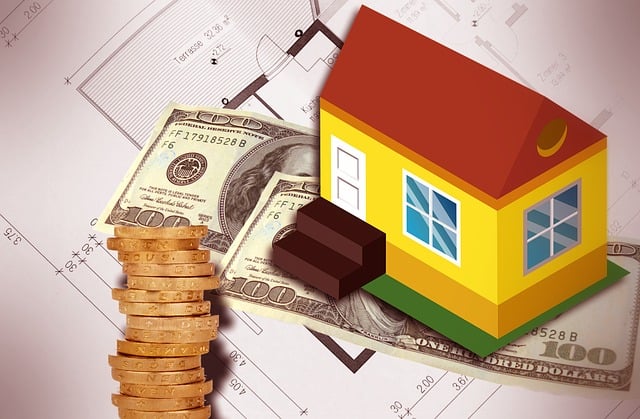
Closing costs can significantly impact a homeowner’s financial outlook, but these expenses don’t have to be insurmountable. In fact, with the right strategies, homeowners can effectively negotiate and reduce closing costs, making their real estate transactions more affordable. The first step is understanding what these costs encompass—a comprehensive closing cost estimate should cover everything from traditional fees like title search and escrow services to less obvious charges such as appraisals, credit reports, and various legal expenses. According to recent data, the average closing costs for a home purchase can range from 2% to 5% of the sale price, with some states or markets exhibiting higher averages.
Negotiating these costs begins with thorough preparation. Homebuyers should obtain multiple quotes from different lenders, title companies, and real estate attorneys to benchmark industry standards. For instance, comparing title search fees across providers could yield savings of several hundred dollars. Additionally, being proactive about securing pre-approval for a mortgage before making an offer can empower buyers during negotiations by demonstrating their financial strength to sellers, who may be more inclined to negotiate on other terms as a result.
A practical strategy involves negotiating with vendors directly. For example, some title companies offer discounted rates for cash purchases or through specific real estate agencies. Similarly, legal fees associated with the closing process can be reduced by choosing an attorney known for their efficiency and competitive rates. In today’s digital era, many services have streamlined their operations, enabling them to provide quality work at lower costs.
Furthermore, homeowners should consider the timing of their transactions. Closing costs are often higher during peak seasons due to increased demand. Timing a purchase or sale strategically can result in substantial savings. Lastly, don’t overlook the potential for closing cost credits from lenders or sellers as part of the negotiation process. By employing these empowering strategies and staying informed about market trends, homeowners can navigate the closing costs effectively, ensuring their transaction remains within budget.
Post-Closing Essentials: Long-Term Financial Considerations

For homeowners, understanding long-term financial considerations following the closing process is paramount. While initial excitement surrounds finally becoming a homeowner, post-closing responsibilities and costs can often be overlooked. This detailed analysis aims to shed light on essential financial aspects that every new owner should consider as they navigate this milestone. One of the primary tasks is to develop a comprehensive budget that incorporates not just immediate expenses but also long-term financial obligations tied to homeownership.
Closing costs, which are various fees associated with purchasing a property, often catch many off guard. These can include appraisal fees, title search charges, and closing attorney fees, among others. As a rule of thumb, homeowners should aim to secure a detailed closing cost estimate from their lender 1-2 weeks prior to closing. This estimate provides a transparent breakdown of expected expenses, empowering buyers to make informed financial decisions. For instance, according to recent data, the average closing costs for a $300,000 home range between 2-5% of the purchase price, totaling $6,000 to $15,000. Accurately anticipating these costs is crucial for avoiding budgetary surprises post-closing.
Furthermore, homeowners should account for ongoing expenses such as property taxes and homeowners insurance. These vary based on location and home value but can significantly impact long-term financial stability. Regularly reviewing and adjusting budgets to accommodate these changing expenses ensures that homeowners remain financially secure over time. In summary, while the initial thrill of closing on a home is unforgettable, prioritizing long-term financial considerations—from managing closing costs effectively to budgeting for ongoing expenses—is essential for a smooth transition into homeownership and beyond.